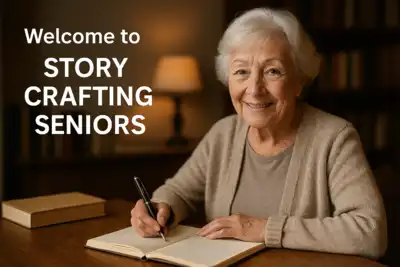
Writing Relatable Characters as Seniors

Creating characters that resonate emotionally is crucial for engaging storytelling, especially for senior writers. As you embark on this journey, remember that your unique life experiences can significantly enhance the relatability of your characters. By focusing on emotional vulnerability and universal themes, you can craft narratives that truly connect with readers.
What You Will Learn
- Understand the significance of emotional vulnerability in making characters relatable.
- Identify universal wants and needs that drive character actions, bridging generational gaps.
- Leverage your life experiences to inspire authentic character development and depth.
- Emphasize diversity and avoid stereotypes to create a rich tapestry of character backgrounds.
- Utilize realistic dialogue and character arcs that resonate with readers’ lives and experiences.
- Encourage intergenerational relationships and conflicts to add layers and realism to your stories.
Key Techniques for Crafting Relatable Senior Characters
Here are essential techniques to engage your audience through relatable characters. For more insights on developing compelling individuals, explore these crafting characters for seniors tips.
Emotional Vulnerability
Highlight your characters' fears and hopes to create a connection with readers.
- Fears about aging or health
- Regrets about life choices
- Desires for connection or acceptance
Universal Wants and Needs
Incorporate core desires that resonate with diverse audiences.
- The need for companionship
- A desire for adventure or change
- The quest for understanding and wisdom
Life Experiences
Utilize your wealth of experiences to shape character motivations.
- Facing loss or grief
- Overcoming challenges or obstacles
- Celebrating achievements, big or small
Realistic Dialogue
Ensure each character has a unique voice through authentic dialogue.
Understanding the Essence of Relatable Characters for Senior Writers
As a writer, especially for seniors, creating characters that resonate emotionally is essential. At Story Crafting Seniors, I encourage you to dive deep into the essence of your characters. When characters feel *real* and *relatable*, they draw readers in, making them care about their journeys. This article explores how to develop such characters by focusing on emotional vulnerability, understanding universal wants and needs, and reflecting life experiences.
Acknowledging the Importance of Emotional Vulnerability
Emotional vulnerability is the heartbeat of *relatable characters*. When characters express their fears, joys, and struggles openly, it creates a connection with readers. As writers, particularly seniors with rich life experiences, you possess a treasure trove of emotions to draw from. Share your characters' vulnerabilities; it’s often where readers see their reflections.
Consider what makes you feel vulnerable. Here are some aspects to think about:
- Fears about aging or health
- Regrets about life choices
- Desires for connection or acceptance
When you incorporate these elements into your characters, you allow them to navigate their complexities genuinely. This authenticity fosters empathy within your audience, encouraging them to root for your characters as they face challenges. For additional inspiration, consider exploring emotional story arcs for seniors.
Recognizing Universal Wants and Needs in Character Development
Every character has core wants and needs that drive their actions. Whether it’s the quest for love, belonging, or purpose, these universal themes resonate across generations. As you write, identifying these desires can help shape your characters into relatable figures. Here are some common wants and needs to consider:
- The need for companionship
- A desire for adventure or change
- The quest for understanding and wisdom
By weaving these universal desires into your character arcs, you create connections that bridge gaps between generations. Remember, the beauty lies in how these *wants* and *needs* evolve through your story, mirroring the complexity of real life.
Exploring Relatability Through Life Experience
Your wealth of life experiences is a powerful tool when crafting relatable characters. As seniors, you have lived through a myriad of situations that shape your worldview. These *unique narratives* can illuminate your characters' motivations and reactions. Reflect on significant moments in your life to inspire character traits and development.
Here are some life experiences that can shape your character’s relatability:
- Facing loss or grief
- Overcoming challenges or obstacles
- Celebrating achievements, big or small
Integrating these experiences into your characters allows readers to see themselves in your stories. The more authentic the reflection of life experiences, the more profound the connection with your audience. So, embrace your past and let it guide your storytelling journey!
Quick Summary
Here's a brief recap of the key points discussed so far:
- Emotional vulnerability is crucial for creating relatable characters that connect with readers.
- Identifying universal wants and needs helps shape characters that resonate across generations.
- Life experiences can inform character traits and motivations, enhancing their relatability.
- Practical techniques, such as realistic dialogue and avoidance of stereotypes, ensure authenticity in storytelling.
Frequently Asked Questions About Crafting Relatable Characters
Here are some common questions about creating characters that resonate with readers:
- Why is emotional vulnerability important for characters?
Emotional vulnerability allows characters to express their fears, joys, and struggles, creating a genuine connection with readers who can see themselves reflected in these experiences. - How can I incorporate universal wants and needs into my characters?
By focusing on core human desires like companionship, adventure, or the quest for wisdom, you can develop character arcs that resonate across diverse audiences and generations. - How do my personal life experiences contribute to character development?
Your unique life experiences, including moments of loss, triumph, or overcoming obstacles, provide authentic motivations and reactions for your characters, making them feel more real and relatable. - What role does diversity play in character creation?
Embracing diversity in character backgrounds, cultures, and experiences helps avoid stereotypes, enriches your storytelling, and fosters a broader connection with your audience. - How can I make character dialogue more realistic?
Ensure each character has a unique voice that reflects their personality, background, and current emotional state. Realistic dialogue also incorporates natural speech patterns and avoids overly formal or stiff language.
Summarizing Practical Techniques for Writing Relatable Senior Characters
As we explore the intricate world of storytelling, it’s essential to harness practical techniques that resonate with your audience. Crafting relatable senior characters can be a rewarding venture, and by focusing on authenticity and emotional depth, your stories will truly shine. The guidelines below will help you create engaging characters that reflect the richness of life experiences. For more on developing your narrative, consider these tips for refining narrative structure.
Firstly, consider how emotional vulnerability connects us all. Characters who display their fears and hopes draw readers in, allowing them to see themselves in the narrative. Implementing relatable traits, such as humor, humility, and resilience, can help build a stronger connection with your audience. Let’s summarize some key takeaways that can act as your roadmap in this creative journey!
- Highlight the emotional vulnerability of your characters.
- Incorporate universal wants and needs that resonate with readers.
- Reflect lifetime experiences that add depth and authenticity.
- Utilize realistic dialogue that reflects each character's unique voice.
- Balance character flaws and strengths to create relatable arcs.
Key Takeaways for Crafting Authenticity and Relatability
To ensure your characters feel genuine, take time to delve into their backgrounds and motivations. Each character should have their own story, shaped by their unique life experiences. For instance, think about how a character's age impacts their perspective and decisions. By weaving these elements in, you’ll create characters that not only engage but also inspire.
Moreover, remember to avoid stereotypes. Embracing diversity in your characters is vital. Showcase a variety of backgrounds, cultures, and experiences. This approach not only enriches your storytelling but also fosters connection with a broader audience. It’s a chance for every senior voice to be heard, and each story to be valued.
- Reflect on diverse experiences and age-appropriate challenges.
- Engage with intergenerational relationships to add layers to characters.
- Encourage readers to see themselves in characters’ journeys.
- Create conflict that feels realistic and relatable.
Encouraging Action and Further Exploration
At Story Crafting Seniors, I believe that writing should be a delightful adventure, and I’m here to support you every step of the way! To help you develop your characters further, I’m excited to offer a downloadable character worksheet tailored for senior writers. This resource will guide you in fleshing out your characters and ensuring they resonate with your audience.
Additionally, your feedback is invaluable! I invite you to share your character stories with me. What challenges did your characters face? How did they navigate their journeys? Your experiences can inspire others in our community. Let’s celebrate the art of storytelling together!
Downloadable Character Worksheet for Senior Writers
This worksheet is designed to help you brainstorm and outline your characters effortlessly. It includes prompts that encourage you to think about:
- Character background and motivations.
- Emotional vulnerabilities and strengths.
- Relationships that shape their story.
Invitation for Feedback: Share Your Character Stories
Your stories matter! I’d love to hear how you’ve applied these techniques in your writing. By sharing your character journeys, we create a rich tapestry of experiences that can inspire and uplift others in our community.
Engaging with Senior Voices: Survey Participation Request
As part of our commitment to understanding the needs of our senior writers, I encourage you to participate in our survey. Your input will help refine our resources and ensure we’re supporting you in the best ways possible. Let’s work together to foster a vibrant writing community!
Promoting Writing Workshops for Character Development
I’m also thrilled to announce upcoming writing workshops focused on character development. These workshops will provide a space for seniors to collaborate, share insights, and refine their storytelling skills. Keep an eye out for updates, as I can’t wait to see your creativity flourish! You can also find more resources on writing creatively in your retirement on our blog.
Recap of Key Points
Here is a quick recap of the important points discussed in the article:
- Emotional vulnerability is crucial for creating relatable characters that resonate with readers.
- Incorporate universal wants and needs, such as companionship and adventure, to enhance character depth.
- Utilize your life experiences as a senior writer to inform character motivations and reactions.
- Avoid stereotypes by embracing diversity in backgrounds, cultures, and experiences of your characters.
- Engage readers by crafting realistic dialogue and balancing character flaws with strengths.

Emma Langston
As a passionate advocate for storytelling and creative writing among seniors, I believe that every story matters. With years of experience in fiction writing, I provide tailored guidance to help older adults unleash their creativity. My warm and encouraging approach inspires aspiring writers to share their unique voices and experiences through engaging fiction. Join me at Story Crafting Seniors, where we empower seniors to craft captivating stories and celebrate the art of storytelling!
Popular Posts
Seniors Write Across Fiction Genres
![seniors exploring different genres in fiction writing]() Engaging with fiction is not just a pastime; it can significantly enhance the mental and emotional w
Engaging with fiction is not just a pastime; it can significantly enhance the mental and emotional w
 Engaging with fiction is not just a pastime; it can significantly enhance the mental and emotional w
Self-Publishing Stories for Seniors
![how seniors can self-publish their stories]() Writing a memoir isn't just about recounting events; it's a deeply personal journey that can connect
Writing a memoir isn't just about recounting events; it's a deeply personal journey that can connect
 Writing a memoir isn't just about recounting events; it's a deeply personal journey that can connect
Crafting Heartfelt Stories for Seniors
![how to write heartwarming stories for older audiences]() Crafting stories for seniors is not just about the plot; it's about creating connections and evoking
Crafting stories for seniors is not just about the plot; it's about creating connections and evoking
 Crafting stories for seniors is not just about the plot; it's about creating connections and evoking
Short Story Crafting for Seniors
![crafting short stories: a guide for seniors]() Storytelling is more than just a way to share experiences; it is a powerful tool for self-expression
Storytelling is more than just a way to share experiences; it is a powerful tool for self-expression
 Storytelling is more than just a way to share experiences; it is a powerful tool for self-expression