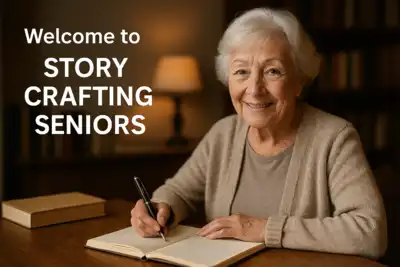
Crafting stories for seniors is not just about the plot; it's about creating connections and evoking emotions. As you embark on this journey, consider how your words can resonate with the rich life experiences of older adults, making them feel acknowledged and valued.
What You Will Learn
Empathy is key in storytelling; create narratives that tap into nostalgia, love, and resilience.
Use clear and simple language to ensure accessibility and relatability for older audiences.
Draw inspiration from personal experiences and everyday moments to craft compelling stories.
Engage readers emotionally by incorporating sensory details and authentic dialogue.
Develop relatable characters that reflect the unique conflicts and growth found in senior life.
Utilize self-publishing platforms to share your stories with a broader audience and celebrate the narratives of older adults.
Key Elements in Crafting Heartwarming Stories for Seniors
Understanding the essential themes and techniques can enhance storytelling for older audiences. Below is a visual representation of these key elements. To learn more about how to develop your characters, refer to our guide on crafting characters for seniors.
Themes to Explore
Nostalgia
Resilience
Love and Loss
Adventure
Writing Techniques
Use Clear and Simple Language
Incorporate Sensory Details
Develop Relatable Characters
Engage Emotionally Through Storytelling
Engagement Strategies
Invite Reflection with Questions
Utilize Direct Calls-to-Action
Share Personal Experiences
Encourage Feedback and Interaction
Examples of Story Inspirations
Family Gatherings
Adventures in Youth
Daily Routines
Cherished Memories
Crafting Heartwarming Stories for Seniors: A Practical Guide
Understanding the Emotional Landscape of Older Audiences
Writing stories that resonate with seniors requires a deep sense of empathy. It's essential to create a connection that evokes feelings of warmth, nostalgia, and resilience. Many older adults have rich life experiences, and acknowledging these in your narratives can significantly enhance emotional engagement.
When crafting stories for seniors, think about themes that reflect their journeys. Stories about love, loss, adventure, and triumph resonate strongly. By tapping into these themes, you can create a space where seniors see themselves and feel their stories are valued.
Focus on nostalgic elements that remind them of cherished memories.
Develop characters who reflect their values and experiences.
Incorporate resilience as a core theme, showcasing strength through adversity.
Using Clear and Simple Language for Effective Storytelling
Effective storytelling for seniors involves using clear and simple language. It's not just about avoiding complex words; it’s about ensuring that the narrative flows smoothly and feels relatable. Writing with clarity makes your message accessible, ensuring that all readers can enjoy and understand your story. This approach is key to engaging older adults through storytelling.
Avoiding a condescending tone is crucial. Instead, approach your audience with respect and understanding. Using terms and phrases that resonate with older adults can make them feel valued and connected to your story.
Use short sentences to enhance clarity.
Avoid jargon or overly technical language.
Incorporate familiar references and experiences.
Finding Inspiration in Everyday Life and Personal Experiences
Finding inspiration is a delightful part of the storytelling process! You can draw from your own life experiences, family memories, and common themes in senior life. These experiences can serve as a solid foundation for heartwarming stories that resonate deeply with older audiences.
Consider the little moments that shape our lives. A cherished family gathering, an adventure from their youth, or even the comfort of a daily routine can spark a beautiful narrative. Remember, every memory holds the potential for a captivating story!
Reflect on your own significant life events.
Capture smaller, everyday moments that carry emotional weight.
Ask seniors about their favorite memories or stories to gain new insights.
Engaging with Empathy: Key Writing Techniques for Heartwarming Stories
Creating emotional connections in your writing is vital! Using specific storytelling techniques can help you engage older audiences effectively. Think about how you can evoke feelings through your characters, settings, and plots.
One effective method is to incorporate sensory details that transport readers into the story. Describing sights, sounds, and smells can evoke emotions and make your readers feel present in the moment. This connection can significantly enhance the impact of your narrative. For more detailed advice, check out our guide on writing creatively in your retirement.
Use rich descriptions to create vivid imagery.
Incorporate dialogue that feels authentic to the characters' backgrounds.
Utilize internal monologues to illustrate characters' thoughts and feelings.
Character Development in Heartwarming Stories
Characters are the heart of any story, especially in narratives created for seniors! It's vital to develop characters that are relatable and reflect the age-specific conflicts seniors may encounter. This way, readers can see themselves in the stories you craft.
Consider the importance of depth in your characters. Each character should have their own dreams, fears, and experiences. By creating characters with relatable struggles, you invite your older audience to connect with their journeys.
Design characters who embody various aspects of senior life.
Explore age-specific conflicts, such as family dynamics or health challenges.
Ensure that your characters experience growth and development throughout the story.
Quick Summary
Here's a brief recap of the key points discussed so far:
Empathy is crucial for connecting with older audiences through storytelling.
Clear and simple language enhances accessibility and relatability.
Everyday experiences can serve as rich sources of inspiration for heartwarming stories.
Character development is essential, focusing on relatable struggles and growth.
Frequently Asked Questions About Crafting Stories for Seniors
Q: Why is empathy important when writing for seniors?
A: Empathy is crucial because it allows authors to create narratives that resonate with the rich life experiences of older adults, evoking feelings of warmth, nostalgia, and resilience, and making them feel acknowledged and valued.
Q: What kind of language should be used in stories for seniors?
A: Clear and simple language should be used. This ensures the narrative flows smoothly and is relatable and accessible to all readers. It's important to avoid jargon or overly technical terms and maintain a respectful tone.
Q: Where can writers find inspiration for stories for older audiences?
A: Inspiration can be found in everyday life and personal experiences, including one's own life events, family memories, and common themes in senior life. Observing small, emotionally significant moments and asking seniors about their cherished memories can also provide insights.
Q: How can writers create emotional connections in their stories?
A: Writers can create emotional connections by incorporating sensory details (sights, sounds, smells), using authentic dialogue, and employing internal monologues to illustrate characters' thoughts and feelings. These techniques transport readers into the story and enhance its impact.
Q: What are key aspects of character development for senior-focused stories?
A: Key aspects include developing relatable characters who embody various aspects of senior life, exploring age-specific conflicts (like family dynamics or health challenges), and ensuring characters experience growth and development throughout the narrative. This helps readers see themselves in the stories.
Q: What self-publishing options are available for senior writers?
A: Several self-publishing platforms are available, such as Amazon Kindle Direct Publishing for eBooks, Lulu for physical books, Smashwords for distributing eBooks to multiple retailers, and Blurb for photo books or visually driven stories. These platforms empower writers to share their work with a wider audience.
Concluding Thoughts and Encouragement to Share Stories
Summarizing the Importance of Heartwarming Storytelling for Older Audiences
As we wrap up this guide, it's clear that heartwarming storytelling holds a special place for older audiences. The essence lies in empathy and connection, ensuring that each story resonates with shared experiences and emotions. By emphasizing clarity and tapping into the rich tapestry of life experiences, we can create narratives that not only entertain but also uplift and inspire.
Through our journey, we've explored how themes like nostalgia and resilience can weave their way into stories that speak directly to seniors. Remember, it's essential to consider the unique perspectives that older adults bring, as their life narratives often contain profound insights worth sharing. Let's focus on creating stories that illuminate their journeys and celebrate their voices!
Call to Action: Start Crafting Your Heartwarming Story Today
Now is the perfect moment to put these insights into action! Whether you're a senior writer or supporting someone in their storytelling journey, embrace the techniques discussed here. Documenting your own experiences can be incredibly rewarding, and each story has the potential to touch hearts.
So, gather your thoughts, sit down with a cup of tea, and start crafting your narrative today! If you're feeling a bit hesitant, remember that Story Crafting Seniors is here to offer guidance and encouragement. Don’t hesitate to share your stories with our community; together, we can celebrate the beauty of storytelling! For more inspiration, explore our story prompts for older adults.
Resources and Tools for Aspiring Senior Storytellers
To assist you in your storytelling journey, I've compiled a list of valuable resources and tools that can make writing easier and more enjoyable:
Story Prompts: Use prompts to kickstart your creativity. They can provide direction and spark ideas!
Writing Apps: Consider apps like Scrivener or Evernote to organize your thoughts and drafts efficiently.
Feedback Groups: Joining a writing group or community can offer supportive feedback and encouragement.
Online Workshops: Participate in writing workshops for seniors to enhance your skills and connect with fellow writers.
These tools can help you navigate the writing process, making it more accessible and enjoyable. For further tips on finding fresh ideas, consider our article on fresh plot ideas for seniors. Explore and find what resonates with you the most!
Exploring Self-Publishing Options for Senior Writers
In today's digital age, there are numerous self-publishing platforms available for seniors to share their written works with a wider audience. Here are a few options to consider:
Amazon Kindle Direct Publishing: A user-friendly platform that allows you to publish eBooks and reach millions of readers.
Lulu: Great for printing physical books and offers various formats to suit your story.
Smashwords: An excellent option for distributing eBooks to multiple retailers.
Blurb: Ideal for creating photo books or visually driven stories.
These platforms empower you to take control of your storytelling journey. By exploring self-publishing, you can ensure your stories find their place in the world. Remember, every story shared adds to the rich tapestry of narratives, contributing to our collective experience!
Recap of Key Points
Here is a quick recap of the important points discussed in the article:
Emphasize empathy and connection when crafting stories for seniors to evoke warmth and nostalgia.
Use clear and simple language to ensure accessibility and relatability without sounding condescending.
Find inspiration in personal experiences and everyday moments that resonate with older audiences.
Engage readers by incorporating sensory details and authentic dialogue to create emotional connections.
Develop relatable characters that reflect age-specific conflicts and foster growth throughout the narrative.
Explore various self-publishing platforms to share stories and empower seniors in their storytelling journey.
Emma Langston
As a passionate advocate for storytelling and creative writing among seniors, I believe that every story matters. With years of experience in fiction writing, I provide tailored guidance to help older adults unleash their creativity. My warm and encouraging approach inspires aspiring writers to share their unique voices and experiences through engaging fiction. Join me at Story Crafting Seniors, where we empower seniors to craft captivating stories and celebrate the art of storytelling!
Short Story Crafting for Seniors
Storytelling is more than just a way to share experiences; it is a powerful tool for self-expression
Story Crafting Seniors
Story Crafting Seniors is dedicated to empowering seniors with the tools and techniques needed to craft captivating fiction stories. Our mission is to inspire and equip older adults with actionable insights to express their creativity and share their unique narratives.