Enhances Emotional Well-being
Crafting stories helps seniors process emotions, leading to improved mental health.
Storytelling is a powerful tool that bridges the gap between generations, enabling seniors to share their unique experiences and wisdom. By crafting fictional settings, they can transform their narratives into immersive journeys that resonate deeply with others. This article highlights how seniors can harness the power of storytelling to enhance their emotional well-being and build connections.
Engaging in storytelling provides numerous benefits that enhance the well-being of seniors. Below are key emotional and social benefits that can be visually represented:
Crafting stories helps seniors process emotions, leading to improved mental health.
Sharing tales fosters connections, ensuring that no one feels alone.
Fictional worlds ignite imaginations and encourage innovative thinking.
Recalling past experiences for storytelling can enhance cognitive function and memory.
One of the most captivating aspects of storytelling is the *fictional setting*. This is the world where our characters live and breathe, influenced by the environment around them. For seniors, crafting these settings can be particularly meaningful, as they allow for a deep exploration of the past and present, merging personal experiences with imaginative landscapes. To discover more about enhancing your writing skills, explore how to write creatively in your retirement.
Fictional settings serve multiple roles in storytelling. They not only provide a backdrop for the action but also reflect the characters' emotions and journeys. When seniors tap into their narrative abilities, they can create rich, immersive worlds that resonate with their own *lived experiences*, making their stories more relatable and engaging for readers.
A fictional setting can be anything from a bustling city to a serene countryside. It encompasses locations, the time period, cultural elements, and even the atmosphere that permeates a story. By carefully defining these details, seniors can ground their narratives in a way that feels authentic and alive.
Consider the power of a well-crafted setting: it can evoke strong emotions, establish a mood, and even immerse readers in a completely different world. For instance, a *cozy little café* might be the heartbeat of a romantic story, while a *stormy night* could set the stage for a thrilling mystery. Each choice influences how the audience connects with the story. Learning to craft realistic settings for writers can significantly elevate your storytelling.
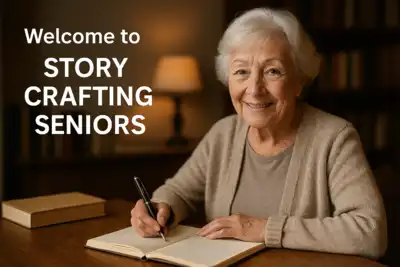
Storytelling is not just about sharing tales; it’s also a way for seniors to express their thoughts and emotions. At *Story Crafting Seniors*, I’ve witnessed firsthand how engaging in storytelling can spark joy and creativity among older adults. It’s a powerful outlet that can reduce feelings of isolation and enhance connections with others.
Moreover, crafting stories allows seniors to reflect on their own journeys—transforming memories into narratives that resonate with readers. This reflection is not just beneficial for the storyteller; it can also inspire others, creating a rich tapestry of shared experiences and wisdom.
Did you know? Incorporating sensory details into your fictional settings can significantly enhance the reader's experience. Encourage seniors to think about how their settings look, smell, sound, and feel. For example, instead of simply describing a garden, they might evoke the scent of blooming roses, the sound of rustling leaves, and the warmth of the sun on their skin. This multi-sensory approach not only brings the narrative to life but also allows seniors to connect more deeply with their own memories and emotions.
Fictional settings play a crucial role in storytelling, especially for seniors. These imaginative landscapes can evoke deep emotions, encourage connections, and provide a comforting backdrop for sharing experiences. When seniors engage in storytelling, they often find that their fictional worlds not only reflect their realities but also elevate their spirits, fostering a sense of belonging and purpose.
One significant aspect of storytelling is its ability to create social bonds. As seniors weave tales from their own experiences, they invite others into their worlds, sparking conversations that strengthen relationships. This sharing of stories can help reduce feelings of isolation, reminding us all that we are part of a larger narrative. For more inspiration, explore some story ideas for senior writers.
Storytelling can have profound emotional and social benefits for seniors. Engaging with fictional settings allows them to explore their feelings and experiences in a safe space. Here are some key benefits:
At Story Crafting Seniors, we believe in the transformative power of storytelling. Encouraging seniors to embrace their creativity can significantly impact their emotional and social lives, making the act of storytelling a vital part of their experience.
Fictional landscapes like Oz, Wonderland, and Westeros serve as rich sources of inspiration for seniors. These enchanting worlds can help spark creativity and build connections. Here are a few ways to draw upon these vibrant fictional settings:
By leveraging the emotional resonance of these beloved settings, we can help seniors connect their experiences to the broader human narrative, enriching both their storytelling and their lives.
Encouraging seniors to share their own stories is vital in fostering a sense of community and belonging. By creating an inviting space for storytelling, we can help seniors feel valued and appreciated for their unique experiences. Here are some effective strategies to invite participation:
Here are some practical approaches to inspire seniors to share their narratives:
At Story Crafting Seniors, we understand that every story is valuable. By inviting participation, we create an enriching environment that celebrates creativity and connection. Consider exploring storytelling techniques for seniors to further enhance this experience.
Using prompts can be a great way to encourage storytelling. Here are some examples that can get seniors thinking and writing:
These exercises can ignite creativity and inspire seniors to share their narratives, all while exploring the beauty of fiction.
As we reflect on the importance of fictional settings in enhancing senior narratives, it's essential for both storytellers and caregivers to recognize their value. Creating opportunities for storytelling not only empowers seniors but also enriches our lives as listeners. By nurturing these fictional landscapes, we can help seniors find their voices, share their experiences, and connect with others.
We must continue to emphasize the role that fictional settings play in senior storytelling. By encouraging exploration of these landscapes, we can help seniors express themselves creatively and connect with their past. Let’s celebrate the stories that emerge from the unique experiences of our senior community, fostering a culture of storytelling that benefits everyone involved. To help them further, consider tips on how to boost storytelling skills for seniors.
Here is a quick recap of the important points discussed in the article:
As a passionate advocate for storytelling and creative writing among seniors, I believe that every story matters. With years of experience in fiction writing, I provide tailored guidance to help older adults unleash their creativity. My warm and encouraging approach inspires aspiring writers to share their unique voices and experiences through engaging fiction. Join me at Story Crafting Seniors, where we empower seniors to craft captivating stories and celebrate the art of storytelling!