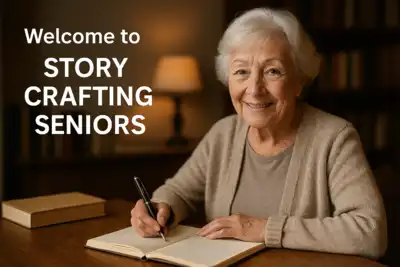
Engaging Stories for Seniors

What if the most powerful tool for connecting generations lies in the stories we share? In a world where experiences often get lost, emotional storytelling offers a profound way to engage and unite seniors with their communities. By harnessing the art of narrative, we uncover the potential for deeper connections, trust, and understanding.
What You Will Learn
- Emotional storytelling enhances relationships by fostering a sense of community among seniors and their audiences.
- Crafting compelling narratives in senior living marketing helps differentiate communities and build trust with potential residents.
- Personal stories enhance relatability and encourage vulnerability, leading to more meaningful connections.
- Utilizing sensory details and sharing both challenges and joyful moments can significantly enrich storytelling for seniors.
- Measuring the impact of narratives through analytics and feedback is essential for improving storytelling effectiveness.
- Engaging peer support groups for narrative feedback fosters community and enhances the storytelling process.
- Innovative storytelling techniques, including multimedia elements, can make narratives more accessible and engaging for diverse audiences.
- Cross-generational storytelling strengthens bonds between seniors and younger family members, enriching the narrative experience.
- Hosting story circles and community events encourages participation and creates a supportive environment for sharing experiences.
Impact of Emotional Storytelling in Senior Living
Understanding the significance of emotional storytelling can lead to profound impacts on senior living marketing and community building.
Creates Emotional Connections
Stories evoke feelings, making it easier for families to relate to a community.
Builds Trust
Authentic narratives help foster trust in potential residents and their families.
Differentiates Offerings
Compelling stories highlight what makes your community special.
Enhances Relatability
Personal narratives allow others to see their own experiences reflected in similar circumstances.
Encourages Vulnerability
Sharing struggles and triumphs can lead to deeper emotional connections.
Promotes Community
Understanding personal journeys fosters a sense of belonging among residents.
Understanding the Importance of Emotional Storytelling for Seniors
In today's fast-paced world, the art of storytelling holds immense power, especially for seniors. At Story Crafting Seniors, we truly believe that crafting emotional narratives can not only enhance the lives of older adults but also connect them deeply with their audience. Sharing experiences and feelings through storytelling allows seniors to express themselves in ways that resonate, creating a bond that transcends age and time.
As we explore the significance of emotional storytelling, we see that it is not just about sharing tales; it's about building relationships and fostering a sense of community. When seniors share their stories, they invite others into their world, creating understanding and empathy. This is particularly important in senior living marketing, where authentic narratives can captivate and engage potential residents and their families. To delve deeper into creative expression, consider writing creatively in your retirement.
Why Crafting Compelling Narratives Matters in Senior Living Marketing
In the competitive landscape of senior living, compelling narratives can set a community apart. Emphasizing personal stories can effectively showcase the unique experiences and emotions that residents encounter. Here are several reasons why these narratives are vital:
- Creates Emotional Connections: Stories evoke feelings, making it easier for families to relate to a community.
- Builds Trust: Authentic narratives help foster trust in potential residents and their families.
- Differentiates Your Offerings: Compelling stories highlight what makes your community special.
Incorporating these elements into senior living marketing not only attracts attention but also encourages deeper engagement. At Story Crafting Seniors, we emphasize the importance of weaving emotional depth into every narrative, ensuring that each story reflects the heart of the community.
The Role of Personal Narratives in Building Trust and Connections
Personal narratives serve as a bridge between seniors and their audience. When seniors share their life experiences, they create a sense of familiarity that fosters trust. This connection is particularly crucial in senior care, where families are often looking for a place that feels welcoming and safe. Consider the following ways personal stories can impact this dynamic:
- Enhances Relatability: Personal stories allow others to see their own experiences reflected in similar circumstances.
- Encourages Vulnerability: Sharing struggles and triumphs can lead to deeper emotional connections.
- Promotes Community: Understanding personal journeys fosters a sense of belonging among residents.
Ultimately, highlighting these personal narratives helps create a supportive environment, one where seniors feel valued and understood. This connection can be especially impactful when shared through the storytelling platforms provided by Story Crafting Seniors. For more insights on engaging older adults through narrative, explore engaging older adults through storytelling.
Emotional Connection: The Heart of Storytelling Techniques for Seniors
At the core of effective storytelling lies the emotional connection between the storyteller and their audience. For seniors, tapping into their emotions can be a powerful tool for expression. Here’s how focusing on emotional connections can enhance storytelling:
- Utilize Sensory Details: Engaging the senses can help transport readers to the time and place of the story.
- Share Personal Challenges: Discussing difficulties faced can resonate deeply, inviting empathy and understanding.
- Celebrate Joyful Moments: Highlighting happy memories can uplift and inspire readers.
By weaving emotional depth into their narratives, seniors can create stories that linger in the hearts and minds of readers. At Story Crafting Seniors, we encourage older adults to embrace their stories, knowing that every shared experience adds richness to the tapestry of life.
Pro Tip
Did you know? Incorporating sensory details like sights, sounds, and smells can significantly enhance the emotional impact of your storytelling. By painting a vivid picture, you allow your audience to experience the story alongside the storyteller, fostering a deeper connection.
Measuring the Impact of Your Compelling Narratives
Once you've crafted your narratives, understanding their impact is essential! As storytellers, we need to know how our words resonate with our audience. This is where analytics and feedback come into play, helping you gauge the effectiveness of your storytelling efforts.
Through various tools, you can measure how well your stories are doing. Look at metrics like engagement rates, shares, and comments. These insights not only show what works but also help you refine your approach, ensuring your stories speak to the hearts of seniors and their families.
Analytics and Feedback: Understanding Narrative Effectiveness
To truly understand how your narratives are performing, you can utilize a few effective strategies. First, consider utilizing analytics tools that track user interaction with your content. This can include website visits, time spent on pages, and social media engagement. Each metric provides a glimpse into how your audience is responding.
Additionally, don't underestimate the power of direct feedback. Encourage seniors and their caregivers to share their thoughts on your stories. You might ask questions like:
- What part of the story resonated with you the most?
- Did the narrative evoke any memories or feelings?
- How can we improve the storytelling experience for you?
These questions can help you gather invaluable insights that inform your future narratives, ensuring they're both meaningful and impactful. For tips on generating new ideas, read about sparking story ideas for seniors.
Utilizing Metrics to Enhance Senior Care Marketing Strategies
Understanding and interpreting metrics is vital for enhancing your marketing strategies. Start by identifying which metrics are most relevant to your goals. Common metrics include:
- Conversion rates from storytelling campaigns.
- Engagement levels on social media posts.
- Feedback from surveys and direct outreach.
By analyzing these metrics, you can adjust your storytelling approach. Perhaps you notice that anecdotes about community events receive more engagement. In that case, you might feature more of those stories to connect better with your audience.
Engaging with Peer Support Groups for Narrative Feedback
Peer support groups can be a treasure trove of feedback on your narratives. Engaging with these communities allows you to receive constructive criticism and fresh perspectives. Consider inviting seniors to participate in story circles, where they can share their experiences and insights on your storytelling.
This interaction not only enriches your narratives but also fosters a sense of community. It helps seniors feel valued and heard, which is crucial in building connections. By continuously seeking feedback, you’ll be better equipped to craft stories that resonate deeply and authentically.
Innovative Storytelling Techniques and Their Applications
Storytelling is an evolving art form, and embracing innovative techniques can breathe new life into your narratives. From multimedia storytelling to community events, the possibilities are endless!
By exploring different formats, you can engage seniors and their families in exciting ways. These strategies not only enhance the storytelling experience but also attract a wider audience. Let’s look at some best practices and innovative approaches!
Exploring Multimedia Storytelling: Best Practices for Accessibility
Incorporating multimedia elements into your stories can make them more engaging and accessible. This can include:
- Videos: Share short clips that bring your narratives to life.
- Audio recordings: Offer narrated versions of stories for those who prefer listening.
- Visual aids: Use images or infographics to complement the narrative.
These elements can appeal to different learning styles and help seniors connect with the stories on a deeper level. Remember, accessibility is key!
Cross-Generational Storytelling: Bridging the Gap Between Seniors and Younger Family Members
Cross-generational storytelling can create valuable connections between seniors and younger family members. By encouraging shared stories, you foster understanding and respect for diverse experiences. Some ways to facilitate this include:
- Organizing storytelling events where seniors share their life stories with younger generations.
- Creating collaborative projects, like family history books, that combine various narratives.
- Using digital platforms to share stories, allowing families to stay connected.
This approach not only enriches the narrative but also strengthens family bonds, making storytelling a truly collective experience. To learn more about how to structure these engaging narratives, check out refining narrative structure for writers.
Story Circles and Community Storytelling Events for Engagement
Hosting story circles or community events can be a great way to engage with seniors and their families! These gatherings allow participants to share their narratives in a supportive environment. Some benefits include:
- Creating a sense of belonging and community.
- Encouraging participants to express their creativity.
- Gathering diverse stories that can inspire others.
At Story Crafting Seniors, we believe that every voice matters, and these events can be a wonderful way to celebrate the art of storytelling! For more great ideas on engaging your audience, consider these fresh plot ideas for seniors.
Recap of Key Points
Here is a quick recap of the important points discussed in the article:
- The Power of Emotional Storytelling: Crafting emotional narratives enhances connections and fosters community among seniors.
- Importance in Senior Living Marketing: Compelling personal stories differentiate communities, create emotional connections, and build trust with potential residents and families.
- Building Trust through Personal Narratives: Sharing life experiences enhances relatability and fosters a sense of belonging.
- Emotional Connections Enhance Storytelling: Utilizing sensory details and personal challenges can deepen engagement with audiences.
- Measuring Narrative Impact: Use analytics and feedback to understand how stories resonate and refine storytelling efforts.
- Innovative Storytelling Techniques: Incorporating multimedia elements and organizing cross-generational storytelling events can enrich narratives and engage a wider audience.
- Community Engagement: Hosting story circles and community events fosters a supportive environment for seniors to share their stories.
Frequently Asked Questions About Emotional Storytelling for Seniors
Q: What is emotional storytelling and why is it important for seniors?
A: Emotional storytelling involves sharing experiences and feelings through narratives to create deeper connections and understanding. For seniors, it's vital because it helps build relationships, fosters a sense of community, and allows them to express themselves in meaningful ways that transcend age and time.
Q: How can emotional storytelling benefit senior living marketing?
A: In senior living marketing, compelling narratives with emotional depth can differentiate a community, create strong emotional connections with potential residents and their families, and build trust. Authentic stories highlight the unique experiences and feelings within the community, making it more appealing.
Q: What role do personal narratives play in building trust and connections for seniors?
A: Personal narratives create a sense of familiarity and foster trust between seniors and their audience. By sharing life experiences, including struggles and triumphs, seniors enhance relatability and encourage vulnerability, which leads to deeper emotional connections and a sense of belonging within a community.
Q: How can sensory details and personal challenges enhance storytelling for seniors?
A: Utilizing sensory details like sights, sounds, and smells helps transport the audience into the story, making it more vivid and engaging. Sharing personal challenges and joyful moments resonates deeply, inviting empathy and understanding, thereby enriching the emotional connection with the audience and making stories more impactful.
Q: How can the impact of narratives be measured and improved?
A: The impact of narratives can be measured using analytics tools (like website visits, engagement rates, and social media interactions) and direct feedback from audiences. By analyzing these metrics and listening to feedback, storytellers can refine their approach, ensuring stories are meaningful, impactful, and resonate effectively with their target audience.
Q: What are some innovative storytelling techniques for seniors?
A: Innovative techniques include multimedia storytelling (using videos, audio recordings, and visual aids for accessibility), cross-generational storytelling (organizing events where seniors share stories with younger family members), and hosting story circles or community events. These methods enrich narratives, engage wider audiences, and strengthen community bonds.

Emma Langston
As a passionate advocate for storytelling and creative writing among seniors, I believe that every story matters. With years of experience in fiction writing, I provide tailored guidance to help older adults unleash their creativity. My warm and encouraging approach inspires aspiring writers to share their unique voices and experiences through engaging fiction. Join me at Story Crafting Seniors, where we empower seniors to craft captivating stories and celebrate the art of storytelling!
Popular Posts
Seniors Write Across Fiction Genres
![seniors exploring different genres in fiction writing]() Engaging with fiction is not just a pastime; it can significantly enhance the mental and emotional w
Engaging with fiction is not just a pastime; it can significantly enhance the mental and emotional w
 Engaging with fiction is not just a pastime; it can significantly enhance the mental and emotional w
Self-Publishing Stories for Seniors
![how seniors can self-publish their stories]() Writing a memoir isn't just about recounting events; it's a deeply personal journey that can connect
Writing a memoir isn't just about recounting events; it's a deeply personal journey that can connect
 Writing a memoir isn't just about recounting events; it's a deeply personal journey that can connect
Crafting Heartfelt Stories for Seniors
![how to write heartwarming stories for older audiences]() Crafting stories for seniors is not just about the plot; it's about creating connections and evoking
Crafting stories for seniors is not just about the plot; it's about creating connections and evoking
 Crafting stories for seniors is not just about the plot; it's about creating connections and evoking
Short Story Crafting for Seniors
![crafting short stories: a guide for seniors]() Storytelling is more than just a way to share experiences; it is a powerful tool for self-expression
Storytelling is more than just a way to share experiences; it is a powerful tool for self-expression
 Storytelling is more than just a way to share experiences; it is a powerful tool for self-expression